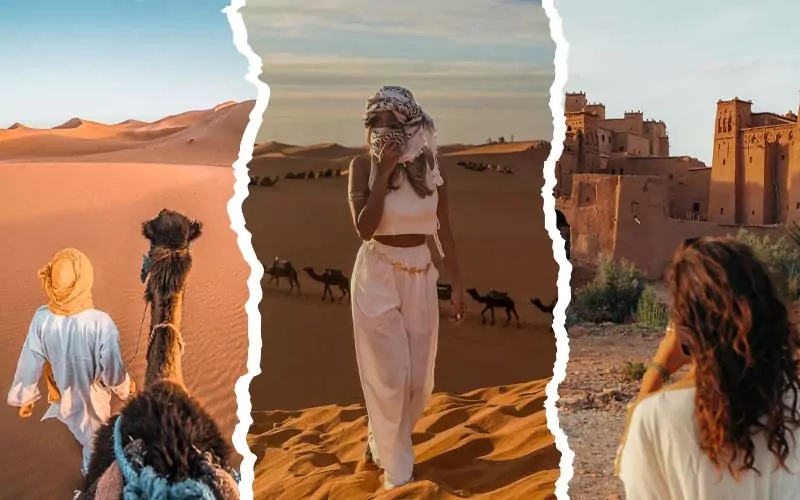
Are you planning a trip to the desert between Morocco’s two most interesting imperial cities? Driving through the Sahara from Fez to Marrakech is one of North Africa’s most scenic road trips. Choosing the right itinerary can make your trip to Morocco go from average to amazing. You’ll see huge sand dunes, old kasbahs, and desert nights full of stars.
This complete guide tells you everything you need to know about picking the best Fez to Marrakech desert tour for 2026, whether you’re a couple looking for romance under the stars, a family looking for adventure, or a solo traveler ready to experience the magic of the Sahara.
Summary
- What Makes the Fez to Marrakech Route So Special
- How to Choose the Right Tour Duration
- Must-See Stops Along Each Route
- Best Time to Travel in 2026
- Luxury vs. Standard Desert Camps: What’s the Difference?
- Tailoring Your Trip: Families, Couples, and Solo Travelers
- What to Pack for Your Desert Journey
- Why Choose Go Sahara Morocco
- FAQs
What Makes the Fez to Marrakech Route So Special
The Fez to Marrakech Sahara tour is the best way to see Morocco. It takes you through landscapes that change from cedar forests to snow-capped peaks to endless golden dunes. This cross-country trip through Morocco’s varied terrain makes the most of your time by moving you forward, unlike circular tours that take you back to where you started.
The natural flow through Morocco’s geological and cultural layers is what makes this route unique. You’ll climb through the Middle Atlas Mountains, where Barbary macaques play in old cedar groves. Then you’ll go down into the Ziz Valley, which is full of date palms, and finally you’ll reach the crown jewel: the tall Erg Chebbi dunes near Merzouga, where the Sahara looks its best.
The route also gives you a chance to fully experience the culture. You’ll see Berber villages that have kept their traditional way of life for hundreds of years, explore kasbahs that used to protect caravan routes, and sleep in desert camps where nomadic hospitality traditions are still alive. This is one of the most visually diverse tours in Morocco because every day brings new scenery.
How to Choose the Right Tour Duration
Choosing between a 2-day, 3-day, or 4-day itinerary depends on what you want to do while you’re there, how much money you have, and how much you want to see and do in the desert. Here is what each choice has to offer:
2-Day Fez to Marrakech Tour
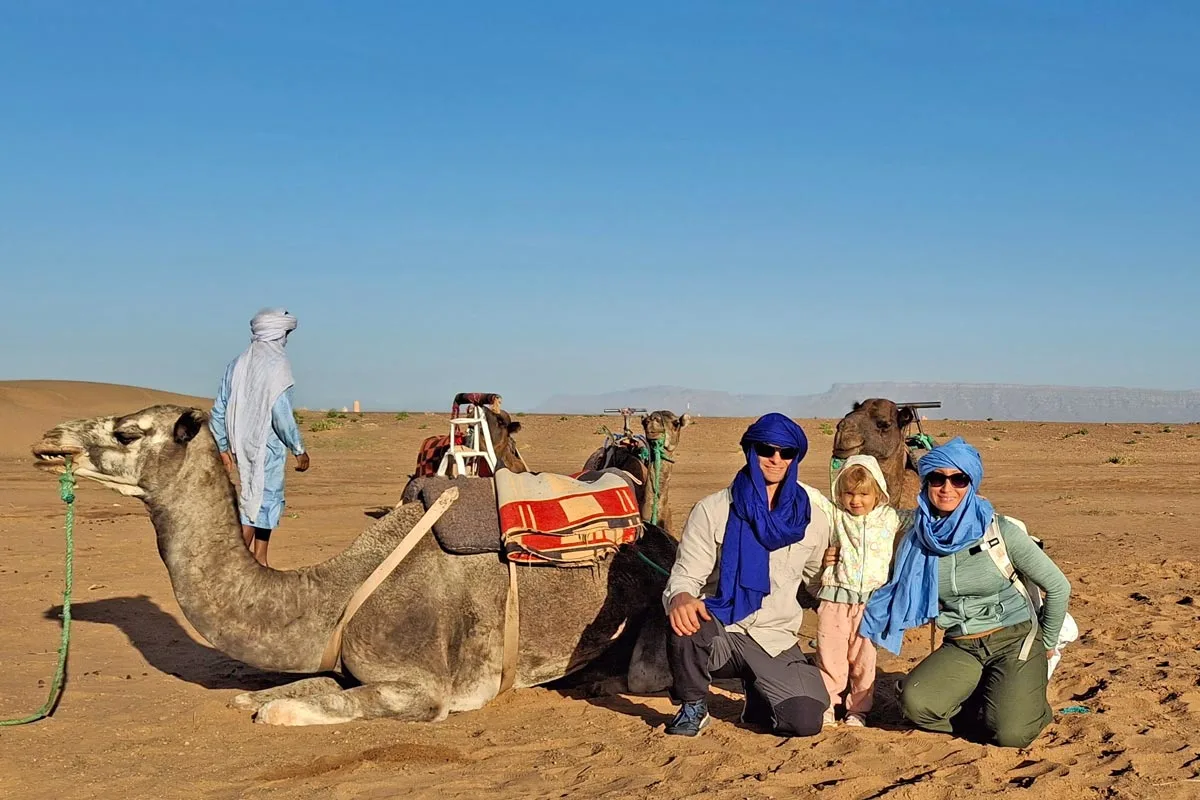
The express option covers about 560 kilometers and is best for people who don’t have a lot of time to spare. You’ll drive through the Atlas Mountains and stop for a short time at important places like Ifrane and the Ziz Valley. Then you’ll get to Merzouga in time for a camel trek at sunset. After spending the night in the desert, you’ll leave early for Marrakech through the Dades Valley.
Best for: people on a budget, people who don’t have a lot of time, or people who want to see the Sahara without spending a lot of time in the desert.
What you’ll miss: more time to explore valleys and kasbahs, more time to relax in Merzouga, and the chance to really get into the desert’s rhythms.
3-Day Fez to Marrakech Sahara Tours
This is the best option for most tour operators, and there is a good reason for that. This schedule lets you make meaningful stops in Ifrane, the cedar forests, Midelt, and the Todra Gorge. You’ll have a full afternoon and evening in Merzouga, with time to ride camels into the Erg Chebbi dunes and experience a full desert camp with traditional music around the campfire.
On the third day, you drive through the beautiful Dades Valley, past the Valley of Roses, and along the famous Road of a Thousand Kasbahs. You stop at Ait Ben Haddou before getting to Marrakech in the evening.
Best for: Most travellers want to see a lot of sights without feeling rushed. Great for couples and small groups.
Highlights: a full desert experience without feeling rushed, time to take pictures of the scenery, and chances to interact with local communities.
4-Day Fez to Marrakech Itinerary
The immersive option gives you more space to explore at a more natural pace. You will have more time in Merzouga to walk in the desert at sunrise, ride a quad bike, or visit nomadic families. The extra day also lets you spend more time at places like the Todra Gorge for hiking or exploring the old streets of Ait Ben Haddou.
Best for: photographers, families with young kids who need to take things slow, travellers who want to really relax, and anyone who wants a less busy experience.
Extra benefits: several sunrises in the desert, time for optional activities, more chances to interact with locals in a real way, and the ability to change plans if the weather or your interests change.
Must-See Stops Along Each Route
Ifrane: Morocco’s “Little Switzerland”
First-time visitors to this mountain town are surprised by its European-style gardens, alpine architecture, and clean streets. Ifrane was built during the French protectorate and is a great first stop where you can stretch your legs and take pictures of the famous lion statue.
Cedar Forests of Azrou
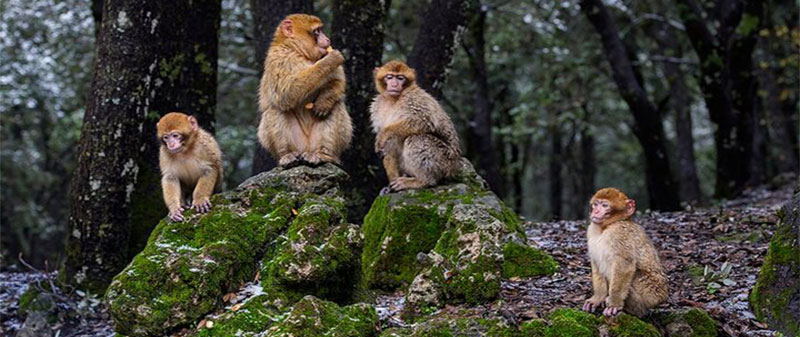
These old cedar forests are home to the endangered Barbary macaques and are a completely different kind of Moroccan landscape. The monkeys are used to people, which makes for memorable wildlife experiences. The forest seems like a different world from the desert that is coming.
Ziz Valley
This green ribbon that cuts through dry mountains shows how amazing Morocco’s date palm farming is. The viewpoint that looks out over the valley is one of the best places to take pictures on the tour, especially in the late afternoon light.
Merzouga and Erg Chebbi Dunes
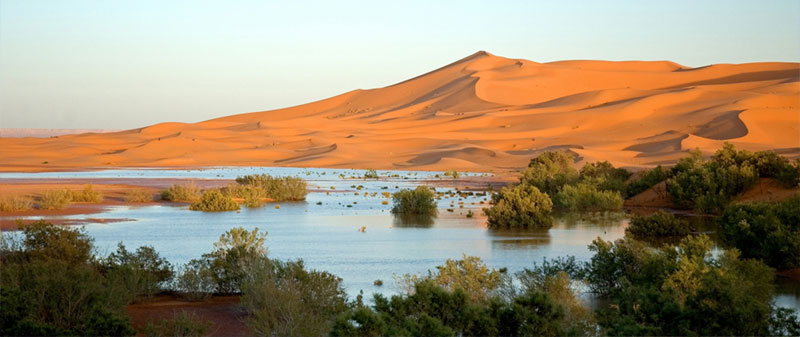
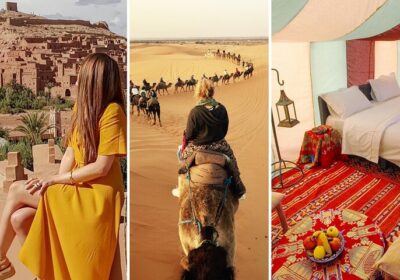
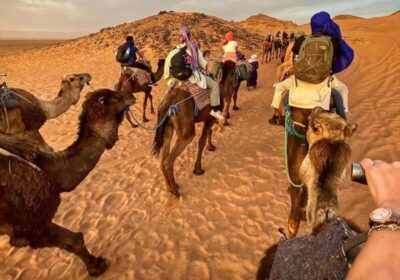
The most important thing. These huge dunes are 150 meters tall and go on as far as the eye can see. The way the light hits the sculpted sand makes landscapes that don’t quite seem real, whether you come for camel trekking at sunset or sunrise. Your time in the desert camp here—sleeping under the stars, listening to Berber music, and watching the Milky Way come out—is often the most emotional part of your whole trip to Morocco.
Todra Gorge
This narrow canyon has sheer limestone cliffs that rise 300 meters on each side, making it one of Morocco’s most impressive natural features. A lot of tours give you time to walk through the gorge, where rock climbers often try to climb the hard walls.
Dades Valley
This area is called the “Valley of a Thousand Kasbahs” because it has traditional fortified Berber villages set against red rock formations. There are many places to take pictures along the winding road that goes through the valley, especially at the well-known “monkey fingers” rock formations.
Ait Ben Haddou
This UNESCO World Heritage ksar (fortified village) has been in a lot of movies, including Lawrence of Arabia and Game of Thrones. Walking through its old clay buildings makes you feel like you’re going back in time. Local guides can tell you about the area’s history and show you where certain movie scenes were filmed. A small tip is expected.
Best Time to Travel in 2026
Timing your Fez to Marrakech desert tour significantly impacts your experience, as the Sahara’s climate varies dramatically by season.
March to May 2026 is spring.
This is probably the best time of year for Sahara tours. During the day, temperatures stay comfortably between 20 and 28 degrees Celsius. At night, they stay cool but not cold. After the winter rains, wildflowers bloom in the desert, making it look alive. Visibility is also excellent. There are more bookings around Easter and spring break, so if you want to travel in April, book early.
Autumn (September to November 2026)
The second best season is like spring in that the weather is pleasant. September can still be warm, but by October and November, the weather is ideal for desert activities. The light in the fall is excellent for taking pictures, especially at sunrise and sunset at the dunes.
June to August 2026 is summer.
A busy time for European travellers, but hard because of the desert. In Merzouga, daytime temperatures can go over 45°C, which makes doing things in the middle of the day uncomfortable. If summer is your only choice, though, tours change their schedules to include very early morning and evening activities, with breaks in the afternoon. Desert camps with good air conditioning or ventilation become necessary. The good news? Clear skies mean great stargazing, and you’ll find better deals and smaller groups.
December to February 2026 is winter.
Many people are surprised by how cold the Sahara gets. The temperature during the day is nice (15–20°C), but at night it can get close to freezing. In the winter, desert camps need to have the right clothes and good places to sleep. But this time of year has clear skies, fewer people, and great weather for taking pictures. The Atlas Mountains often have snow, which makes the scenery look amazing.
Pro tip for 2026: Check Ramadan dates (expected to begin around March 1st), as some restaurants may have limited daytime hours, though tourist services generally continue normally.
Luxury vs. Standard Desert Camps: What’s the Difference?
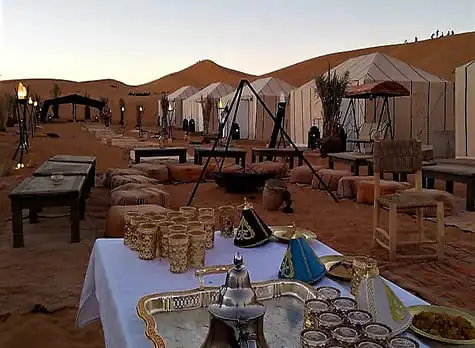
The type of desert camp you choose—standard or luxury—will have a big impact on your experience in the Sahara. Each has its own pros and cons, so it’s important to think about your priorities and budget.
Standard Desert Camps
These traditional camps give you real experiences without any extras. Expect comfortable Berber tents with real beds (not just mattresses on the ground), shared bathrooms with running water, and places to eat and have fun at night. Standard camps focus on the basics, like having clean places to sleep, good food, and the chance to experience desert hospitality.
Pros: Lower cost, smaller groups that are often more intimate, a traditional atmosphere that feels real, and no barriers between you and the desert’s raw beauty.
Best for: travellers on a budget, backpackers, people who value experience over comfort, and people who enjoy roughing it.
Desert Camps of Luxury
Luxury camps make the desert experience better by offering private bathrooms with real toilets and showers, air conditioning or heating depending on the season, high-quality linens, and often extra features like charging stations and WiFi. The tents themselves are bigger, with places to sit and sometimes even private terraces.
Luxury camps usually serve several courses with wine, and the level of service is like that of a boutique hotel moved to the dunes.
Pros: Couples can have privacy, travellers with mobility issues or health concerns can use the amenities, and they can sleep better after long travel days.
Best for: honeymoons and romantic getaways; families with young kids; older travellers; people who need extra comfort; and anyone who wants to experience the desert without having to rough it out.
Both types of camping provide a magical moment of silence when you step outside your tent and witness the Milky Way in a clear sky. The music at the campfire and the camel trek don’t change depending on how lovely the camp is. Pick based on your budget and what makes you feel comfortable, not on whether you’ll “really experience the desert”—you will, no matter what.
Tailoring Your Trip: Families, Couples, and Solo Travelers
For Families
When you take a Fez to Marrakech Sahara tour with kids, you need to think about some things. A 3- or 4-day itinerary is better than the rushed 2-day option because it lets you take breaks and change plans when kids need some time to themselves. If you’re travelling with toddlers, look for tours that have room for car seats.
Families can go camel trekking together. Younger kids can ride with a parent on the camel, and some tours offer 4×4 rides into the desert as an option. If you’re travelling with very young kids, choose luxury camps because the private bathrooms make it easier to sleep at night.
A lot of kids think the desert is magical. Riding camels, sleeping in tents, and not having screens make memories that last a lifetime. If you have very young kids, think carefully about when to go (avoid the summer months) and bring lots of sun protection.
For Couples
The Fez to Marrakech desert tour is one of the most romantic things to do in Morocco. Watching the sunset from the top of the Erg Chebbi dunes, having a private moment under the stars, and experiencing the vast silence of the Sahara together are all great ways to bond.
The three-day itinerary is popular with couples because it gives them enough time without making the trip too long. Luxury camps with private tents are great for couples who want to be alone, but many couples also enjoy the friendly atmosphere of regular camps where you can meet other travellers.
If you want to be completely alone and set your own pace, you might want to book a private tour instead of joining a group. This costs more, but you can stop whenever you see something intriguing, and it doesn’t rush you through things.
For People Who Travel Alone
Desert tours are especially rewarding for solo travellers because they allow them to connect with other travellers through shared experiences. Small group tours, which usually have 4 to 8 people, are a great way to meet new people while still feeling close to them.
Standard camps often feel more social than luxury ones because they have shared spaces that make it easy to meet new people. That being said, some people who travel alone choose luxury camps to make sure they have their own space and comfort.
Organised tours are usually very safe, and good companies like Go Sahara Morocco make sure that solo travellers feel welcome and comfortable the whole time. Women who travel alone say they feel safe and welcome because Moroccan hospitality is forceful in the tourism industry.
What to Pack for Your Desert Journey
Packing smart can make the difference between being comfortable and regretting your desert tour. Here are some tips from people who have travelled a lot:
Important Clothes
It’s important to wear layers because the temperature changes a lot from day to night. During the day, wear light, breathable clothes. Loose-fitting pants and long sleeves will keep you cool and protect you from the sun. Even in the summer, you need a warm jacket or fleece for the evenings and early mornings. You need comfortable closed-toe shoes for walking and driving, as well as sandals for around camp.
A scarf or shesh (a traditional Tuareg wrap) can protect you from the sun, keep dust out when it’s windy, and keep you warm at night. A lot of tours offer these, but having your own makes sure they fit better and are cleaner.
Safety and Comfort
To protect yourself from the strong desert sun, use sunscreen with a high SPF, good sunglasses with UV protection, and a wide-brimmed hat. Lip balm with SPF stops chapped lips from hurting. Bring a water bottle that you can use over and over again. Staying hydrated is very important in the desert.
A headlamp or small flashlight is very helpful for finding your way around camp at night without bothering other people. Most camps have lights, but having your own light source lets you be free.
Electronics and Photography
If you care about photography, the Sahara has amazing chances for you. Bring extra batteries and memory cards because charging isn’t always possible or reliable, even in fancy camps. A portable power bank keeps your phone charged so you can take pictures and use navigation apps.
Think about getting a camera cleaning kit. Dust from the desert gets into everything, so it’s important to keep the lenses clean. A light tripod lets you take those amazing star photos that the Sahara is known for.
Useful Things
Wet wipes or hand sanitizer, basic first aid supplies, any prescription medications (in their original containers), and a small daypack to carry your essentials while you’re on the go are all things you should pack. Bring your own toiletries if you’re picky about them, but most camps have the basics.
Don’t pack heavy luggage with wheels (soft duffels work better for moving between vehicles), too many changes of clothes (you’ll wear the same clothes most days), or expensive jewelry that you would worry about in camp.
Why Choose Go Sahara Morocco
The company you choose to take you from Fez to Marrakech in the Sahara will affect your whole experience. Go Sahara Morocco is known for offering real, well-planned desert tours that mix adventure with comfort and cultural immersion with professional service.
Go Sahara Morocco stands out due to their extensive knowledge of the area and their dedication to eco-friendly tourism. Their guides are from the desert areas, so they have insider knowledge and connections that make every stop better. You’re not just passing through villages; someone who knows the families who live there is showing you around.
The company is more flexible than bigger ones. Go Sahara Morocco will work with you to change your plans for a special event, add more things to do in Merzouga, or accommodate your dietary needs. They won’t force you to stick to strict schedules. Their small groups (no more than 8 people) make sure that everyone gets personal attention without the impersonal feel of bus tours.
Their fleet of vehicles includes modern, air-conditioned 4x4s and vans that are kept in great shape for safety, which is important when traveling long distances through mountain passes and desert routes. Drivers know these tough roads well and can also act as knowledgeable guides.
Go Sahara Morocco also carefully checks out the desert camps they work with to make sure they meet the standards they promise. They work with both regular and luxury camps that treat their staff well and have as little impact on the environment as possible. These are important things to think about for responsible travellers.
Travellers who have used the company before always talk about how responsive and open they are. Questions are answered right away, prices are clear with no hidden fees, and if problems arise during tours, they are dealt with quickly and professionally.
Ready to Start Planning?
Contact Go Sahara Morocco to customize your perfect Fez to Marrakech desert itinerary:
 Email: [email protected]
 Phone: (+212) 6 64 56 92 95
 Booking page: gosaharamorocco.com/contact-us
Their team can help you design an itinerary that matches your interests, budget, and travel style, with transparent pricing and detailed information about what each option includes.
Conclusion
Choosing the perfect Fez to Marrakech Sahara tour for 2026 comes down to understanding your priorities: how much time you have, what level of comfort matters to you, and what kind of experiences you want to collect. Whether you opt for the efficient 2-day sprint, the balanced 3-day journey, or the leisurely 4-day exploration, you’re embarking on one of Morocco’s most transformative travel experiences.
The route from Fez’s medina maze through the Sahara’s golden dunes to Marrakech’s vibrant chaos represents Morocco in microcosm—ancient and modern, challenging and rewarding, foreign yet somehow familiar. If you pick the right itinerary and travel with a company like Go Sahara Morocco that knows what they’re doing, you’ll have an adventure that gives you more than just pictures to post. You’ll have stories to tell for years.
The Sahara has a way of putting life in perspective. Its vast silence, star-filled nights, and timeless landscapes remind us how small our daily concerns really are. Whether you’re celebrating an anniversary, seeking solo adventure, or creating family memories, the desert welcomes all who approach it with respect and open hearts.
Start planning your 2026 Sahara adventure now—the dunes are waiting.
FAQs
Q: How long is the drive from Fez to Marrakech through the Sahara?
The total driving distance is approximately 560 kilometers, but it’s not measured in simple hours because you’re stopping at multiple attractions along the way. A 2-day tour involves roughly 8-10 hours of driving per day (broken into segments), while 3-day and 4-day tours spread this out to 5-7 hours daily, making for a much more comfortable pace. The roads are generally good quality, though mountain sections involve curves and switchbacks that slow progress.
Q: Can I do the Fez to Marrakech desert tour in reverse (Marrakech to Fez)?
Absolutely. The tour works equally well in either direction—it’s simply a matter of where you’re starting and ending your Morocco trip. The landscapes and stops remain the same, just experienced in reverse order. Some travelers prefer starting in Marrakech because it’s easier to fly into, while others like ending there to enjoy Marrakech’s energy after the peaceful desert. Tour operators like Go Sahara Morocco offer both directions with the same quality experience.
Q: Is camel trekking mandatory, or are there alternatives?
Camel trekking is traditional and part of most tour packages, but it’s never truly mandatory. If you have back issues, fear of heights (camels are tall), or simply prefer not to ride, 4×4 transfers into the desert camps are almost always available as an alternative. Some tours include both—a shorter camel trek for the experience, supplemented by vehicle support. Just communicate your preferences when booking so arrangements can be made in advance.
Q: What’s included in the tour price, and what costs extra?
Standard inclusions typically cover transportation in comfortable vehicles, accommodation at hotels en route and desert camps, breakfasts and dinners (lunches are usually at your expense, allowing flexibility in timing and restaurant choice), and guided services throughout. The camel trek and desert camp experience are included.
Extras usually include lunches, drinks with meals, tips for guides and drivers, optional activities like quad biking in Merzouga, entrance fees to some attractions (like Ait Ben Haddou if you want a local guide inside), and personal expenses. Reputable operators like Go Sahara Morocco provide transparent pricing that clearly indicates what’s included, so you can budget accurately.
Q: Are Fez to Marrakech Sahara tours safe for solo female travelers?
Yes, organized tours with established operators are generally very safe for solo female travelers. You’ll be in a vehicle with your guide and other tour participants, staying in camps with other guests, and following well-traveled tourist routes. Moroccan tourism professionals are accustomed to international visitors and maintain professional standards.
That said, basic cultural awareness helps: dress modestly (covering shoulders and knees in public areas), be friendly but clear with boundaries, and stick with your tour group when exploring stops. The desert camps themselves are social environments where other travelers look out for each other. Many solo female travelers report that Morocco desert tours feel safer than navigating cities independently.
Q: How far in advance should I book my 2026 Sahara tour?
For 2026 travel, booking 2-4 months in advance is ideal, especially if traveling during peak seasons (March-May and September-November). This ensures availability in your preferred accommodation style and allows time to coordinate logistics if you’re combining the desert tour with other Morocco activities.
If you have specific date constraints (like connecting with flights) or want to travel during holidays like Easter, Christmas, or Western summer vacation periods, booking even earlier—4-6 months ahead—provides more options. However, even last-minute bookings (a few weeks out) are sometimes possible during shoulder seasons, particularly if you’re flexible on departure dates or accommodation standards.