
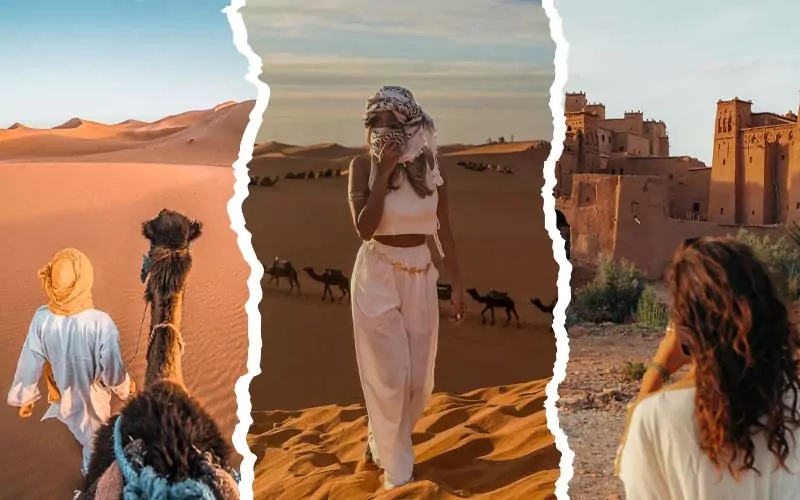
Imagine that you’re leaving the old medina walls of Fez and heading south through valleys filled with palm trees, mountain passes covered in snow, and finally the rolling golden dunes of the Sahara. The trip from Fez to Marrakech isn’t just a ride between two cities; it’s one of Morocco’s most amazing adventures, full of unforgettable experiences that show off the country’s amazing diversity.
This multi-day route has everything from camel trekking and camping in the desert to dramatic gorges and UNESCO World Heritage sites. It’s great for first-time visitors to Morocco or experienced travellers who want to see more of the country. This guide will show you the top ten things to do on a Fez to Marrakech tour that everyone who goes to Morocco in 2026 should do.
Sommaire / Table of Contents
- Understanding the Fez to Marrakech Route
- Top 10 Activities on Your Fez to Marrakech Tour
- 1. Camel Trekking in Merzouga
- 2. Sandboarding on the Sahara Dunes
- 3. Overnight Stay in a Desert Camp
- 4. Exploring the Ziz Valley
- 5. Hiking Through Todra Gorge
- 6. Driving Through Dades Valley
- 7. Watching Sunrise and Sunset Over the Sahara
- 8. Meeting Nomadic Families
- 9. Visiting Aït Ben Haddou
- 10. Crossing the High Atlas Mountains
- Best Times to Enjoy These Activities
- Essential Tips for Travelers
- Why Book with Go Sahara Morocco
- Conclusion
- Frequently Asked Questions
Understanding the Fez to Marrakech Route
The classic Fez to Marrakech tour takes three to four days and covers about 560 kilometres of Morocco’s most varied landscapes. You’ll wind through the Middle Atlas Mountains, pass through Berber villages, descend into desert valleys, and experience the magic of Merzouga before climbing back through the High Atlas to reach Marrakech.
This isn’t just a trip from point A to point B. It’s a carefully planned route that shows visitors the heart of Morocco through its landscapes, customs, hospitality, and beauty that never goes out of style. Most tours include comfortable transportation, knowledgeable local guides, and well-planned stops that make the most of your time without making you feel rushed.
Top 10 Activities on Your Fez to Marrakech Tour
Camel Trekking in Merzouga
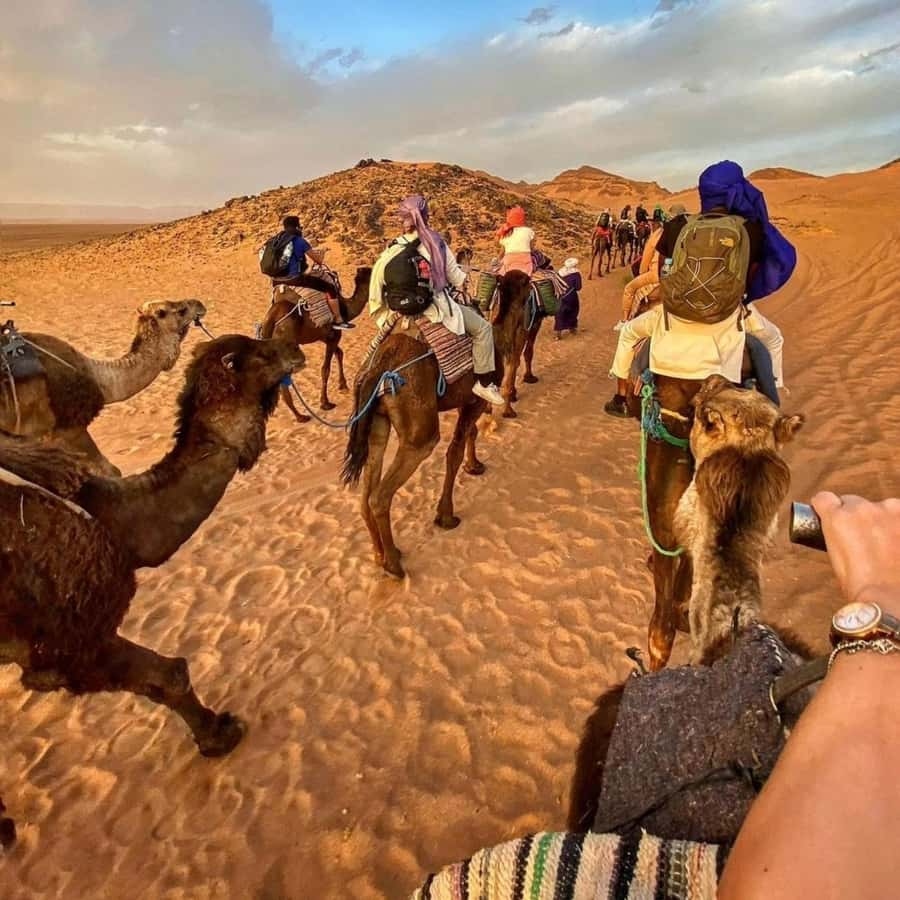
Nothing says “Sahara adventure” quite like camel trekking across the Erg Chebbi dunes near Merzouga. This is the activity most travellers dream about, and for good reason.
What to Expect:
- Gentle, rhythmic rides on dromedary camels with expert Berber guides
- A trek usually lasts 1 to 2 hours and takes you deep into the dunes.
- You can take amazing pictures while riding through shifting sands.
- People wore traditional blue turbans (cheches) to protect themselves from the sun and sand.
What Makes It Special: The camel journey isn’t just a way to get about; it’s a cultural tradition that has been going on for hundreds of years in the desert. Your guide will tell you stories about life as a nomad, show you plants and animals that live in the desert, and help you pick the best dune for those famous sunset shots.
Tips for Pros:
- Put on clothes that are loose and comfortable.
- Bring sunscreen and sunglasses.
- When you sit or stand, hold on to the saddle handle.
- Let your body relax and move with the camel’s rhythm.
Most Morocco Sahara tour packages include the camel trek, which is how you get to the desert camp.
Sandboarding on the Sahara Dunes
For the adventurous spirit, sandboarding down the towering Merzouga dunes offers pure adrenaline and laughter in equal measure.
The Experience:
- Boards that tour companies give out (like snowboarding gear)
- Climb to the tops of dunes that are 150 metres high.
- There is nothing but desert around you as you slide down golden slopes.
- The falls are soft and sandy, which is great for beginners.
Best Places: The highest dunes near the Merzouga desert tour camps have the longest runs. Some brave travelers hike to the highest peaks early in the morning when the sand is cooler and firmer.
What Makes It Memorable: It’s really strange to ride a sand dune in the middle of the Sahara. While it can be challenging to feel a sense of accomplishment, riding a sand dune is an activity that most people can easily participate in. The walk back up also gives you time to enjoy the desert’s vast beauty and silence.
Tip from locals: Use candle wax or soap to wax your board so it glides better. Your guide can help with this!
Overnight Stay in a Desert Camp
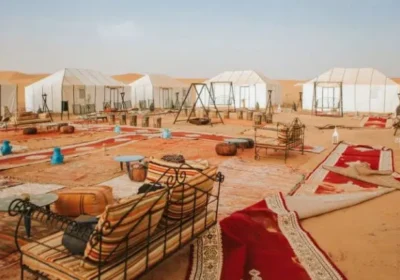
The best part of any Merzouga desert tour is sleeping outside in a traditional Berber camp.
What comes with it:
- Private or shared tents with comfortable beds for sleeping
- A traditional Moroccan meal with tagine, couscous, salads, and fresh bread
- Campfire parties with Berber music and drumming
- A tea ceremony in the open air
- Breakfast before the camel trek back at dawn
Different kinds of camps:
- Standard camps: real and simple, with bathrooms that everyone uses.
- Luxury camps: private tents with real beds, electricity, and hot showers
- Both choices are very welcoming and have amazing stargazing.
The Magic Happens at Night: The desert changes when the sun goes down and the campfire is lit. The Milky Way is so bright that it seems to stretch across the sky. Your guides may sing Berber songs and play traditional drums. People from all over the world tell stories around the fire, and conversations flow easily.
Cultural Insight: The way people treat you shows how much the Berbers value being generous to guests. Your hosts will make sure you’re comfortable, fed, and treated like family, even in the harsh desert.
4. Exploring the Ziz Valley
Your Fez to Marrakech tour goes through the Ziz Valley, which is a surprising strip of green that cuts through dry mountains before you get to the desert.
Main points:
- Viewpoints that look out over thousands of date palms
- Old kasbahs rising up from palm trees
- The Ziz River brings life to a strange place.
- Stops for photos at key lookout points
The best place to take pictures is at the tunnel viewpoint, where the valley opens up dramatically below you. The red-brown mountains and green palms look amazing together.
Local Experience: Some tours stop at date cooperatives where you can taste different kinds of dates and learn how they are grown. People really like the Medjool dates that come from this area.
Why It Matters: The Ziz Valley is a wonderful example of how Moroccan communities have thrived for generations by being smart about water use and farming. It’s living proof of how strong and smart people can be.
Hiking Through Todra Gorge
One of Morocco’s most beautiful natural wonders is the Todra Gorge, which has very tall limestone cliffs.
The Place:
The canyon walls rise 300 metres, and the gorge is only 10 metres wide. The river that runs through the canyon floor is crystal clear.
Rock climbers going up the steep sides
Things to do:
- There are easy walking paths along the river that take 30 minutes to 2 hours.
- Rock climbing for people who have done it before
- Walking through the cold water in the mountains
- Taking pictures of the dramatic play of light and shadow
What to Wear: You need to wear comfortable shoes for walking. The rocky ground can be uneven, and you might want to cross the shallow river in some places.
Cultural Note: Near the entrance to the gorge, local Berber women often sell things they made by hand. Buying directly helps their families and cooperatives.
Best Time to Go: The morning light makes beautiful contrasts in the canyon. Don’t go to the narrow gorge in the summer around noon, when it gets very hot.
Driving Through Dades Valley
The Dades Valley, also called the “Valley of a Thousand Kasbahs,” has scenery that changes all the time, so your camera will always be busy.
Route Highlights:
- Winding roads that go through the valley
- There are old fortified kasbahs all over the place.
- Rose gardens (harvest in April and May)
- “Monkey fingers” are strange rock formations.
- Traditional Berber villages built into the sides of cliffs
The Well-Known Road of a Thousand Kasbahs: This part of your trip shows off traditional mud-brick buildings that have been home to Berber families for hundreds of years. Some kasbahs are still lived in, while others are just ruins that give off a certain vibe.
Stop for Rose Products: If you’re traveling in the spring or summer, stop by a local co-op that sells rose water, rose oil, and cosmetics made from roses. A lot of Morocco’s rose harvest comes from the Dades Valley.
Driving Experience: The sharp turns and significant changes in height make for an exciting ride. Professional drivers drive on these roads every day, so just relax and take in the sights.
Photo Stops: Your guide will know the best places to get a wide view. Take your time in this valley; it deserves it.
Watching Sunrise and Sunset Over the Sahara
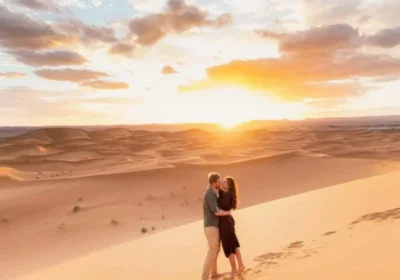
The Sahara’s golden hour is more than just beautiful; it changes things.
What to Expect at Sunset:
- Usually seen on the way to camp on a camel trek
- Dunes shine in gold, orange, amber, and red.
- Patterns that change all the time are made by long shadows.
- The temperature drops pleasantly when the sun goes down.
Magic at Sunrise:
- Get up early, around 5:30 or 6:00 AM, depending on the time of year.
- You can either climb a nearby dune or watch from your camp.
- See the desert come to life with color
- The light in the morning is softer and more golden than in the evening.
Tips for taking pictures:
- Take pictures during the “golden hour,” which is 30 minutes before and after sunrise and sunset.
- Use things in the foreground, like camel tracks, people, and plants, to add interest and scale.
- Try out silhouettes against the bright sky.
- When you’re not using your camera, keep it in a bag and use a UV filter to keep sand out of it.
Why Both Are Worth It: Each one gives you a different emotional experience. The sunset feels like a celebration because you’ve made it to the desert. As the desert wakes up, the sunrise makes me feel calm and thoughtful.
Meeting Nomadic Families
When you go to Morocco, one of the most real things you can do is meet the people who live in the desert.
What to Expect:
Visits to traditional nomad tents made of goat hair that is woven together
Sharing mint tea and talking, often with the help of your guide, who is also a translator
Finding out about the problems, customs, and way of life of nomads
You can buy handmade crafts directly from families.
Cultural Exchange: These meetings aren’t just for show; they’re real chances to learn about other cultures. Nomadic families are proud to share their way of life with visitors and treat them like honored guests.
What You’ll Learn:
- How nomads find their way and stay alive in the desert
- Making things and weaving in the old way
- The role of animals (camels, goats, sheep) in a nomadic way of life
- How climate change is affecting people’s lives
Respectful visits:
- Always ask before you take a picture.
- Before you go into tents, take off your shoes.
- Take the tea that is offered (saying no can be seen as rude).
- If you want to bring something, small gifts like tea, sugar, or school supplies are welcome.
Why It’s Important: These kinds of interactions help people from different cultures understand each other and keep traditional ways of making a living. Your visit and any purchases you make directly help these families.
Visiting Aït Ben Haddou
This kasbah is Morocco’s most famous and one of the most photographed places in the country. It is a UNESCO World Heritage Site.
What Makes It Unique:
- A fortified village from the 11th century that is still standing today
- A beautiful example of earthen clay architecture from southern Morocco
- The filming locations for Game of Thrones, Gladiator, Lawrence of Arabia, and many more
- Still partly lived in by families from the area
Going around the Kasbah:
- You can cross the river by stepping stones or a bridge.
- Climb up winding alleyways to get a 360-degree view.
- Go to traditional homes and see how families live inside.
- Look through stores that sell argan oil products and crafts made in the area.
Value of a Guided Tour: A knowledgeable guide tells stories about the kasbah’s history, architecture, and its role in caravan trade routes, bringing it to life. They can also show you filming locations and architectural details that you might miss otherwise.
Best Time to Visit: Late afternoon is the best time to take pictures because the sun warms the walls of the house to a warm, amber colour. There are fewer people in the mornings.
Take your time: Don’t hurry through Aït Ben Haddou. Plan on spending at least 1.5 to 2 hours exploring and taking in the atmosphere.
Crossing the High Atlas Mountains
The Tizi n’Tichka pass through the High Atlas Mountains is a beautiful place to travel from Ouarzazate to Marrakech.
The Experience:
- Going up to 2,260 meters (7,415 feet) high
- Dramatic switchbacks with breathtaking views of the mountains
- Going through Berber villages that cling to the sides of mountains
- In the winter, you might see snow.
- Stops on the side of the road at argan oil cooperatives
The High Atlas is a natural barrier between the Sahara and the coast, which is a geographical wonder. As you cross this range, the landscape changes from dry desert to a greener, more Mediterranean climate.
Places to Take Pictures:
- At the top, you can see the whole mountain range.
- Traditional Berber villages with unique buildings
- Farms with terraced fields
- Peaks with snow on them (winter/spring)
Argan Oil Cooperatives: Many tours stop at women’s cooperatives where you can see how argan oil is made, try argan products, and buy real cosmetics and cooking oils. Rural women depend on these cooperatives for important income.
Things to think about when driving: The roads in the mountains can be winding and steep. If you get sick easily when you’re moving, sit in the front and take motion sickness medicine before you leave.
Cultural Observation: As you get closer to Marrakech, pay attention to how the buildings change. The styles and materials used to build the buildings show how the climate and resources are different.
Best Times to Enjoy These Activities
Spring (March–May)
Pros:
- Pleasant temperatures (15–25°C / 59–77°F)
- Rose harvest in Dades Valley (April-May)
- Wildflowers in mountain valleys
- Excellent for hiking and outdoor activities
Cons:
- Peak tourist season means more crowds
- Higher prices for accommodations
Fall (September–November)
Pros:
- Ideal weather conditions throughout the route
- Fewer tourists than spring
- Clear skies perfect for stargazing
- Comfortable desert temperatures
Cons:
- Can still be hot in the desert in early September
Winter (December–February)
Pros:
- Fewer crowds and better prices
- Snow on the High Atlas creates dramatic scenery
- Cool but manageable desert temperatures
- Clear, crisp air for photography
Cons:
- Cold nights in the desert (can drop below freezing)
- Some mountain passes may occasionally close due to snow
- Shorter daylight hours
Summer (June–August)
Pros:
- Long daylight hours
- Availability of tours and accommodations
Cons:
- Extreme heat in the desert (40°C+ / 104°F+)
- Less comfortable for outdoor activities
- More challenging for some travelers
Recommendation: For the best balance of weather, scenery, and comfort, plan your Fez to Marrakech activities for March-May or September-November.
Essential Tips for Travelers
Packing Essentials
Clothing:
- Layers for temperature changes (desert nights are cold)
- Lightweight, breathable fabrics for daytime
- Long sleeves and pants (sun protection and cultural respect)
- Comfortable walking shoes (not sandals for hiking)
- Warm jacket for desert nights and mountain crossings
- Scarf or shawl for women (useful for sun protection too)
Sun Protection:
- High SPF sunscreen (50+)
- Sunglasses with UV protection
- Wide-brimmed hat or cap
- Lip balm with SPF
Desert Essentials:
- Headlamp or flashlight for nighttime
- Wet wipes (limited water for washing)
- Hand sanitizer
- Tissues or toilet paper
- Power bank for devices (limited charging in camps)
Camera Gear:
- Extra memory cards and batteries
- Lens cleaning cloth (sand gets everywhere)
- Protective bag or case against dust
Health and Safety
- Stay hydrated (carry a reusable water bottle)
- Use anti-diarrheal medication if needed (adjust to local food gradually)
- Travel insurance is highly recommended
- Keep medications in original packaging
- Protect electronics from sand and dust
Cultural Considerations
- Dress modestly, especially in rural areas
- Ask permission before photographing people
- Learn a few Arabic or French phrases (locals appreciate the effort)
- Be patient—Moroccan time moves differently
- Haggling is expected in markets but keep it friendly
Money Matters
- Bring Moroccan dirhams (MAD) for small purchases
- ATMs available in larger towns along the route
- Credit cards accepted in hotels and larger restaurants
- Small denominations useful for tips and purchases
- Budget for tips: guides (50–100 MAD/day), drivers (30–50 MAD/day)
Communication
- WiFi available in hotels and some desert camps (though connectivity can be spotty)
- Consider purchasing a local SIM card for reliable communication
- Download offline maps before departure
- Share your itinerary with family/friends
Why Book with Go Sahara Morocco
The appropriate tour operator can make or break your trip to Morocco. This is why people always use Go Sahara Morocco for their trip from Fez to Marrakech:
Knowledge of the area
Go Sahara Morocco company has been driving across Morocco’s roads, landscapes, and civilisations for years, so they know things that only locals do. Their guides know the greatest places to take pictures, eat real food, and find hidden gems that bigger tour companies don’t know about.
Itineraries that can change
Go Sahara Morocco agency can tailor your trip to your interests, pace, and budget, whether you choose a typical three-day tour or a longer excursion with more stops. Want to spend more time trekking in Todra Gorge? Want to take photography classes in the desert? They’ll get it done.
Transportation that is comfortable
Modern, air-conditioned cars with competent drivers make sure that travel across Morocco’s varied landscape is safe and comfortable. Long drives are fun when you relax and appreciate the view.
Real Experiences
Go Sahara Morocco doesn’t just hustle tourists through tourist traps; instead, it focuses on real cultural experiences, including having tea with nomadic families or supper with Berber hosts. These friendships make memories that stay long after your trip is over.
Good Places to Stay
Carefully chosen hotels and desert camps make sure you are comfortable without losing authenticity. You will have clean, comfortable, and interesting places to stay, no matter if you choose regular or luxurious options.
Prices that are clear
There are no hidden fees or surprise expenses. Go Sahara Morocco has transparent prices that cover lodging, transportation, activities, and most meals, so you can plan your budget correctly.
Great Communication
The crew speaks English, French, Arabic, and Spanish clearly and quickly from the first question to the end of the tour. You may ask them questions, change your plans, and make sure everything goes smoothly.
Focus on Small Groups
Go Sahara Morocco is different from big tour buses since they only do small groups and private trips. This means you get more personalized attention, more freedom, and more real encounters.
Ready to start planning? To customise your Fez to Marrakech experience with these incredible activities, contact Go Sahara Morocco:
- Booking Page: https://gosaharamorocco.com/contact-us/
- Email: [email protected]
- Phone: (+212) 6 64 56 92 95
Conclusion
A tour from Fez to Marrakech is more than just getting from one imperial city to another; it’s a full trip through Morocco’s most beautiful and varied landscapes. From the rhythmic sway of camels trekking through the Merzouga dunes to the dizzying heights of the High Atlas Mountains, from the warm hospitality of the desert to the ancient grandeur of Aït Ben Haddou, each activity gives you a different look at Morocco’s soul.
Few travel experiences can compare to the things to do in Fez and Marrakech that include adventure, culture, natural beauty, and connecting with other people. You’ll make memories that will last long after you’ve gone home, whether you’re sandboarding down golden dunes, drinking tea with nomadic families, hiking through dramatic gorges, or just watching the sun paint the Sahara in colors that don’t exist.
Travelers seeking real experiences away from the usual tourist spots will still find Morocco interesting in 2026. This trip from Fez to Marrakech gives you just that: the perfect mix of comfort and adventure, planning and spontaneity, and being alone and with others.
Go Sahara Morocco lets you experience Morocco fully, not just travel through it. Go Sahara Morocco offers well-planned tours that demonstrate respect for both the land and its people.
Start planning your Morocco Sahara tour today. Contact Go Sahara Morocco to design your perfect Fez to Marrakech adventure: https://gosaharamorocco.com/contact-us/
Frequently Asked Questions
How many days do I need to go from Fez to Marrakech?
Most full Fez to Marrakech itineraries last three to four days, which gives you enough time to do the main things without feeling rushed. The main attractions of a three-day excursion are camel trekking, camping in the desert, major gorges, and Aït Ben Haddou. Four-day tours give you more freedom to hike, take pictures, and meet new people. Some firms do offer two-day express excursions, but these require very lengthy driving days and miss out on a lot of what makes this trip special.
What do most Fez to Marrakech travel packages include?
Most standard packages include transportation in a comfortable, air-conditioned vehicle, a professional driver/guide, lodging (hotels and desert camps), most meals (usually breakfast and dinner), camel trekking, and entrance fees to key sites. Luxury packages could also include better camping, more meals, more activities, and better lodgings. When you purchase a tour, always check with the tour operator to see what is included.
Is the excursion from Fez to Marrakech good for kids and older people?
Yes, given the right changes. Because you’re driving, the trip is open to people of all ages and fitness levels. But keep in mind that riding a camel could be hard for extremely young kids or people who have trouble moving about (other options can be made). Desert camps have different levels of comfort. If you’re going with older family members who need their own bathroom, select a luxury camp. You can change the difficulty of hiking in gorges and valleys to meet your fitness level. When you plan your vacation, talk to Go Sahara Morocco about any worries you have, and they will make changes as needed.
Is it okay for me to take this tour during Ramadan?
Of course. Morocco is open to travelers all year, even during Ramadan. During this holy month, Muslims fast from sunrise to sunset. This implies that some shops and restaurants may close early or have limited hours during the day. Your tour operator will make sure you can still have meals, though, as tourist establishments are still open. It can be a unique cultural experience to see the evening iftar (breaking of the fast). Desert camps and tourism spots are open as usual. During fasting hours in towns and villages, be polite and don’t eat, drink, or smoke in public.
How can I best get ready for the temperature variations between Fez and the Sahara?
Bring layers! The weather in Fez and Marrakech is mild and Mediterranean-influenced. The Sahara has very hot days (sometimes above 40°C/104°F in the summer) and very chilly nights (it can drop below freezing in the winter). It might be cool all year long to cross the mountains. During the day, wear light, breezy clothes. At night and in the mountains, wear warm layers like a fleece or jacket. Always wear sun protection. Your room will have air conditioning or heating as needed.
Do I need specific travel insurance to go on a tour from Fez to Marrakech, Morocco?
Comprehensive travel insurance is not needed by law, but it is highly recommended. Find insurance that covers things like trip cancellation, medical crises, evacuation, and missing luggage. Morocco’s tourism infrastructure is mostly safe and dependable; however, having insurance makes you feel safer. If you want to do adventurous things like sandboarding or long hikes, make sure these are covered. There are medical services in bigger towns along the way, but evacuation coverage is useful for distant desert locations. Go Sahara Morocco has strict safety requirements, yet insurance covers things that happen that are out of anyone’s control.